
Discoveries, challenges and connections on the road to Choquequirao and Machu Picchu
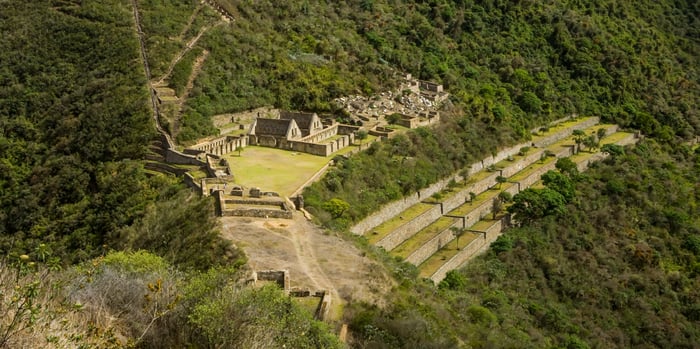
This story tells of a 10-day journey to the ruins of Choquequirao and Machu Picchu, following an ancestral route marked by history and those who wrote it. From departure in Cusco to arrival in Abancay, every step on this journey is a revelation of history, nature and self-discovery. Along challenging trails and encounters with the wildlife of the Andes, our LimaTours colleague, Lizbeth Llanos, immerses herself in a world where time fades away and connections to the past become tangible. Between the imposing mountains and the mysteries of the Andes, lies a trail that sparks the curiosity of adventurers and history lovers alike. My passion for hiking and my fascination with archaeology led me to embark on an epic journey: a 10-day, 9-night trek to the ruins of Choquequirao and Machu Picchu. This trail, rated with a difficulty level of 5, is much more than just a tour. This is the path to Machu Picchu’s ‘sacred sister’ and the last bastion of the Incas. Rising majestically above the Apurimac River canyon, Choquequirao, which in Quechua means ‘cradle of gold’, is an archaeological treasure that is only 30% of its total size unearthed. Three times the size of Machu Picchu, its enclosures, temples and terraces tell ancient stories that are only just beginning to be revealed. Let’s get our shoes and backpacks ready to begin this adventure!
Source: Tourism Portal
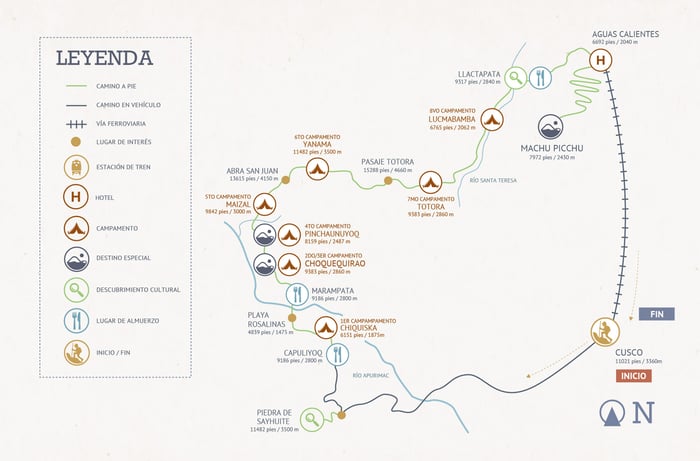
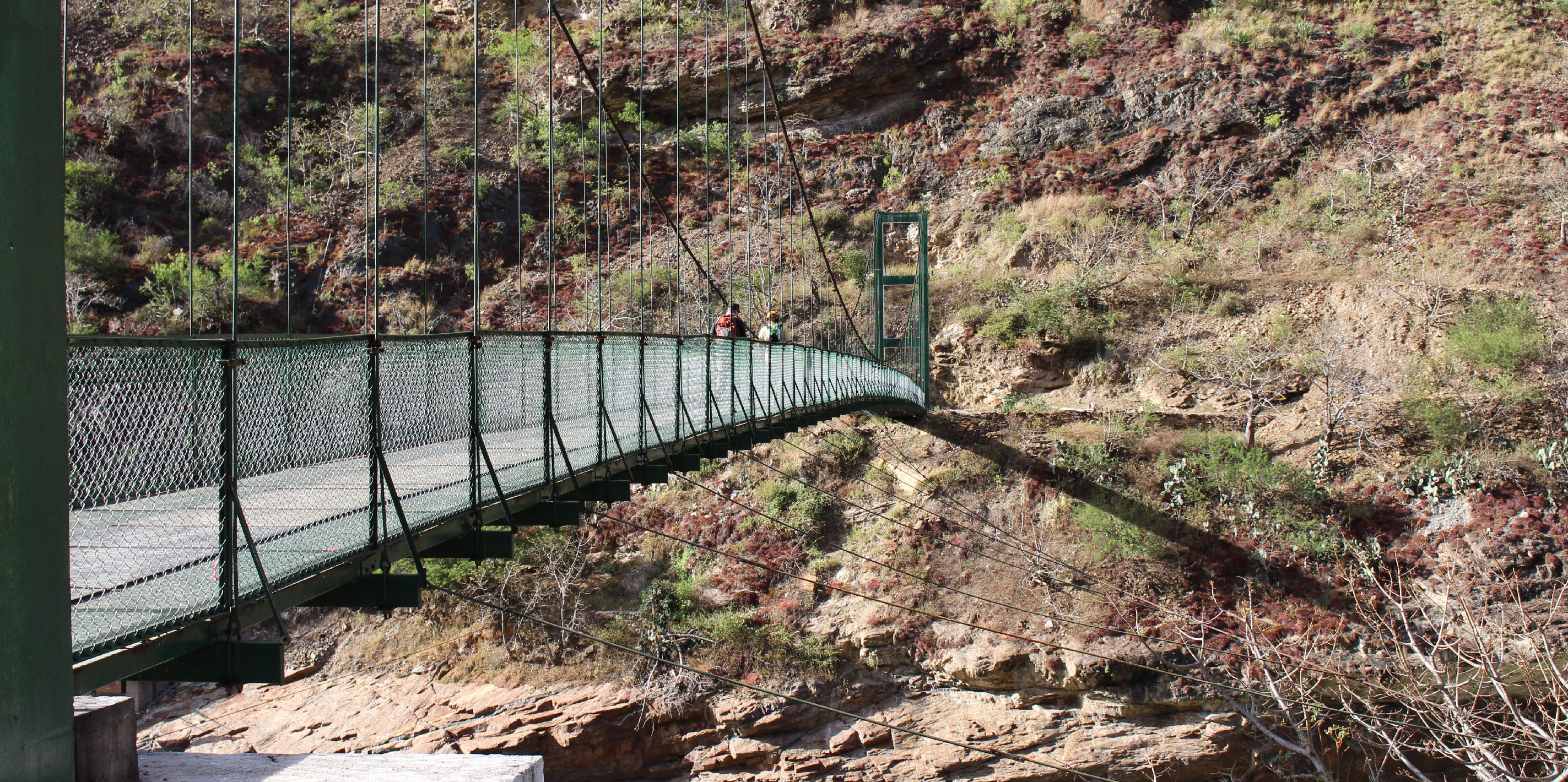
We left Cusco on a bus to the Apurimac region and our hike began in the town of Cachora. Full of anxiety and nervousness, we headed towards the unknown, ready to discover the secrets that awaited each step. Our first destination was the fascinating archaeological site of Saywite in the Curahuasi district, within the province of Abancay. There, among the ancient ruins and the history carved in its stones, we felt the excitement of being in a place where time stops. After absorbing every detail, we headed to the Chiquiska camp, descending from Capulliyoc after a comforting lunch. During this journey, we enveloped ourselves in the nature that surrounded us, adding an even more memorable experience to our trip. At dawn, the fresh aroma of the mountain welcomed us with open arms, inviting us to continue our adventure. After an early breakfast, we prepared to face the day with determination and enthusiasm. With each step, the landscape changed before our eyes, revealing new wonders and challenges. We descended until we reached Rosalinda Beach, where we crossed the bridge that marked the end of our journey through the Apurímac region and the entrance to Cusco. From there, we began the ascent towards our next destination: the Marampata camp, from where there is a beautiful view of the Apurímac River and the ruins of Choquequirao.
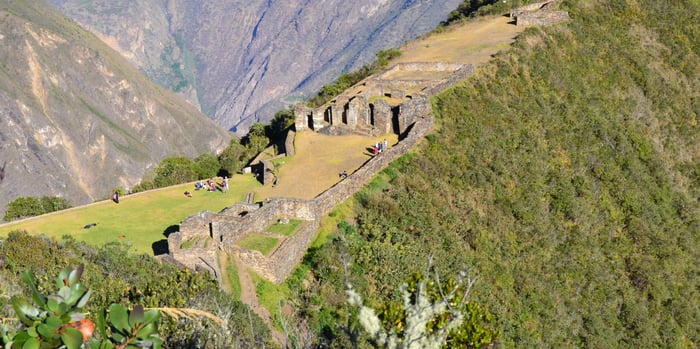
The long-awaited day had finally arrived: it was time to enter the mysterious Choquequirao Archaeological Park. Here, words fall short in the face of the grandeur of what you experience as you walk through each of its precincts. From the famous terraces of the llamas to the imposing temple of the astronomer, each step immersed us more in the rich history of this sacred place. After an intense day of exploration, we settled into our camp, located in the vicinity of Choquequirao, letting ourselves be enveloped by the ancestral energies that flowed in every corner. The next day, aware that we were about to say goodbye to this archaeological treasure, we entered Choquequirao once again. Every step and every place we looked at became valuable treasures that we will keep in our memory forever. With a last look, we said goodbye, preparing for the next chapter of our adventure. We ascended through a native forest, leaving behind the majesty of Choquequirao, but taking with us its essence and mystery. Then began the descent to our next destination: the camp at the archaeological site of Pinchaunuyoq, where the spectacular view of the Apurimac valley welcomed us with open arms, marking the end of a day full of emotions and new discoveries.
We woke up eager for new adventures, and before the sun began to get too hot, we hit the trail, descending steadily to the Blanco River.
We crossed its waters with determination, aware that each step meant we were closer to whatever the other side had in store for us.As we started the ascent to the picturesque town of Maizal, we were excited to arrive, knowing that we would find shelter in its streets and connect with the warmth of its inhabitants as we set up camp for the night.
The ascent began, and with each step, our eyes observed the incredible landscapes that unfolded before us. We passed by old mines, such as the mythical Victoria mine, and after walking for a while, we finally reached the San Juan Pass, located 4,150 meters above sea level, where the air was purer and our enthusiasm rose with the altitude. . . During the ascent, we marveled at the presence of vicuñas, and although the fear of encountering other wild inhabitants such as spectacled bears or pumas kept us alert, we continued our path with courage and respect for nature. Upon arriving at the camp in the community of Yanama, we gratefully said goodbye to our faithful mules and muleteers, who, with firm steps, began the road back to Cachora in Abancay. Many travelers consider this day to be the most interesting of the journey, due to the mines, the impressive landscape and the height reached in the pass. In Yanama, the bustle of the population welcomed us with open arms, reminding us that, even in the most remote heights, the arrival of transportation changes and makes things easier, and we can find much more activity in that community, as well as medical clinics, health centers and schools.
The next day, ready to capture every moment of the path, we began the ascent challenging the Yanama Pass, while we marveled at the imposing presence of the snow-capped Sacsarayoc that rose majestically on the horizon. Luck smiled upon us as we witnessed the majestic flight of the condors, adding an even more sublime touch to our experience. Then, we descended with a brisk step until we reached the camp in the town of Totora, where the warmer climate welcomed us with open arms, announcing our proximity to the edge of the jungle.
After spending a warmer night, we began the descent towards our next destination, Lucmabamba, which immersed us in a dreamlike landscape, surrounded by the lush green and leafy vegetation of the tropical jungle. Near the base of the Temple of the Moon, an ancient Inca ceremonial sanctuary, we found refuge in our camp, where the peaceful sound of the Urubamba River accompanied us at night. Along the way, we marveled at breathtaking views of coffee plantations stretching as far as the eye could see, while the majestic waterfalls roared loudly, reminding us of the grandeur of nature around us. As a beautiful sunset fell, we prepared to spend our last night under the stars, surrounded by the magic of the Andes and the desire for new adventures.
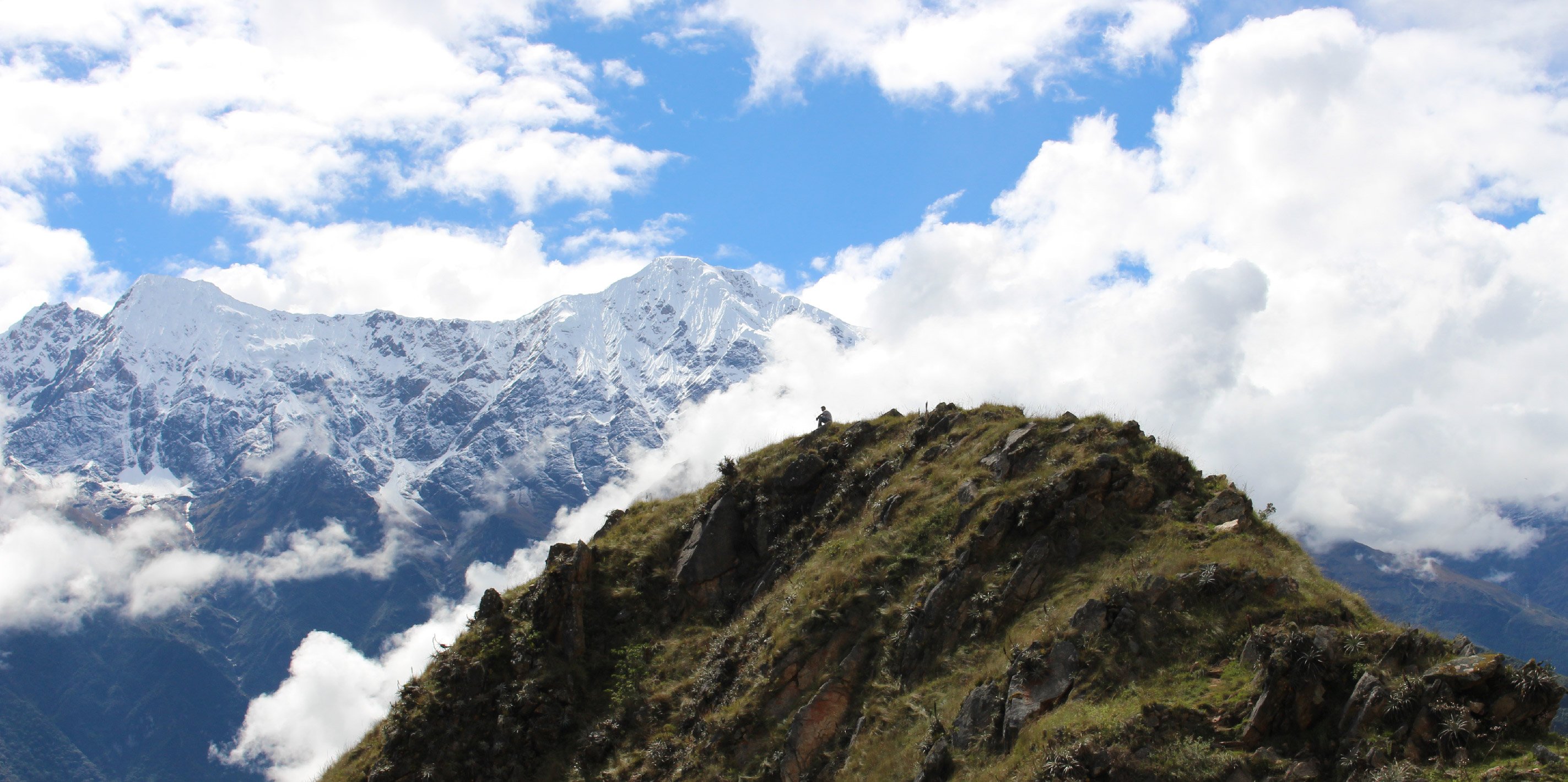
After spending a warmer night, we began the descent towards our next destination, Lucmabamba, which immersed us in a dreamlike landscape, surrounded by the lush green and leafy vegetation of the tropical jungle. Near the base of the Temple of the Moon, an ancient Inca ceremonial sanctuary, we found refuge in our camp, where the peaceful sound of the Urubamba River accompanied us at night. Along the way, we marveled at breathtaking views of coffee plantations stretching as far as the eye could see, while the majestic waterfalls roared loudly, reminding us of the grandeur of nature around us. As a beautiful sunset fell, we prepared to spend our last night under the stars, surrounded by the magic of the Andes and the desire for new adventures.
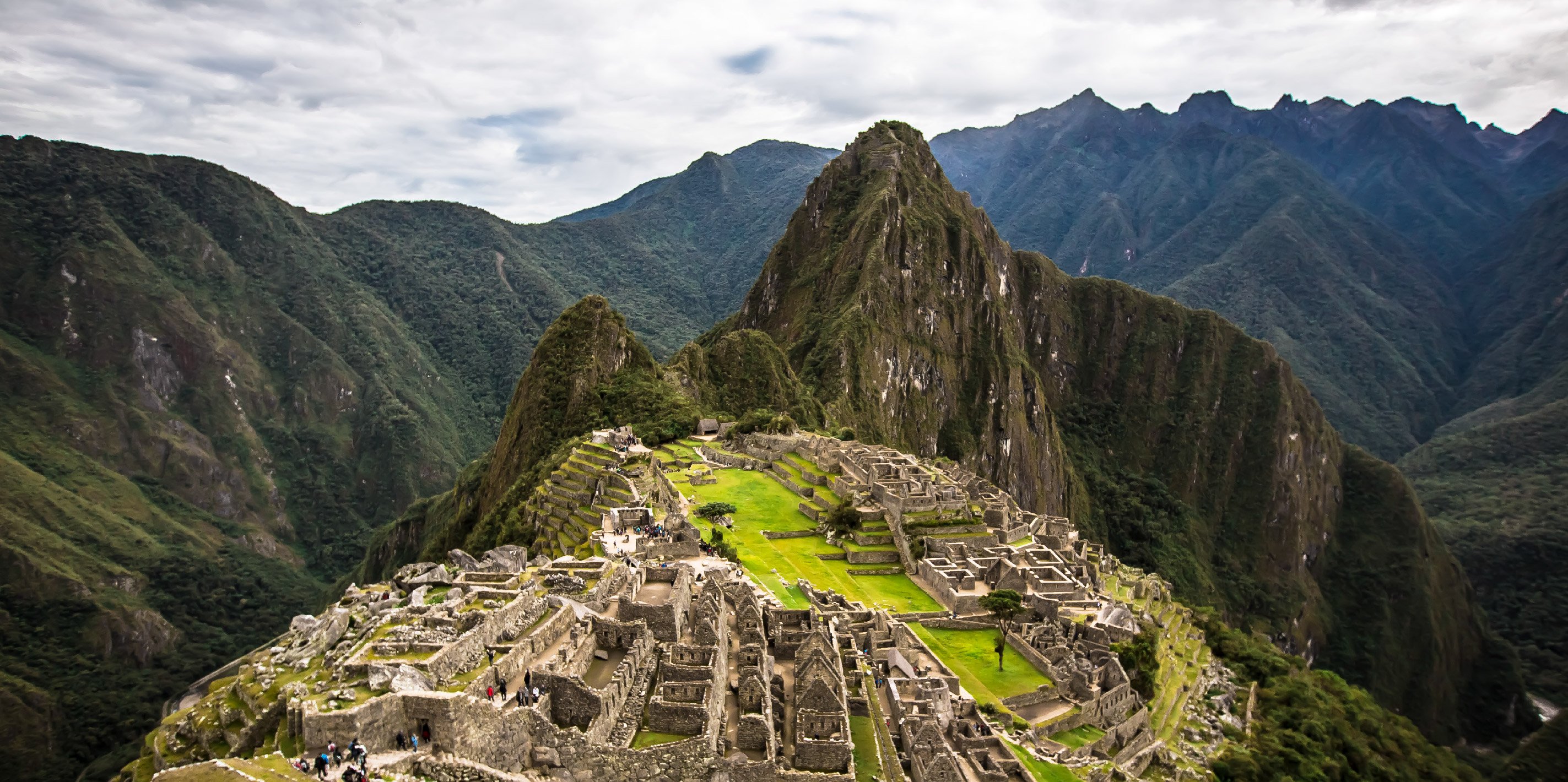
With each step of this experience, we discover more than just ruins and landscapes; It was a journey of self-discovery and connection with history and nature. Upon returning to the city, we carry unforgettable memories and a deep sense of gratitude for the opportunity to explore places where the Incas forged their legacy. After days of intense hiking, the beautiful landscapes and history impregnated in every corner rewarded us generously. This unique experience reminded us of the greatness of the world and the human ability to explore, discover and connect with what really matters.